Spring
Combing
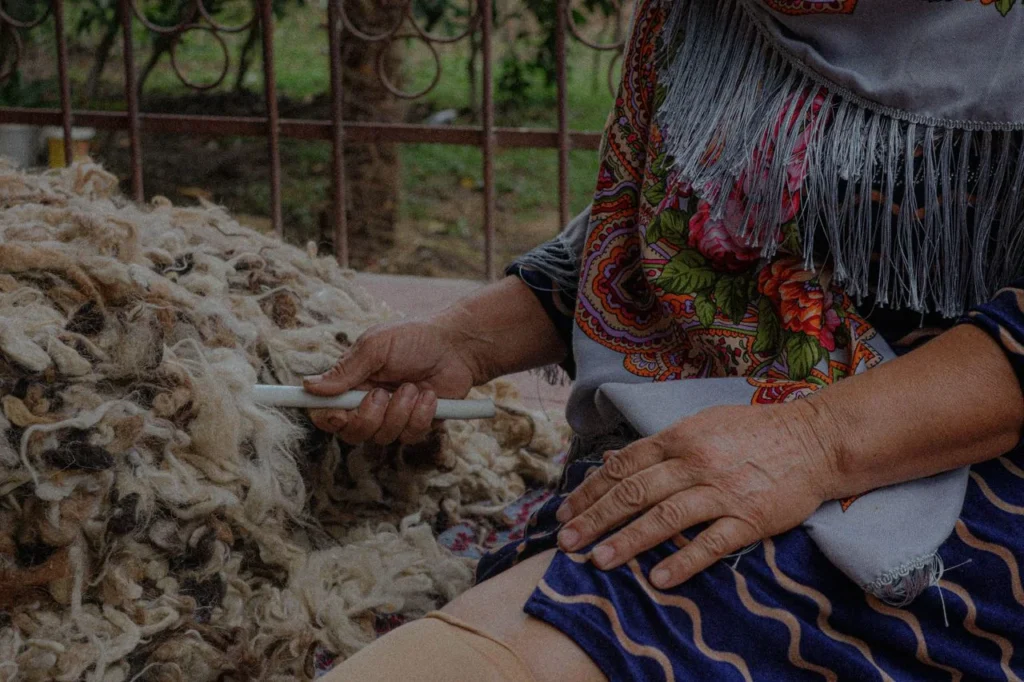
As the goats start to shed in spring, herders comb the soft undercoat out by hand with a fine comb. Nothing is sheared; the goat keeps its outer coat.
WhoChangpa herders
Pashmina is the soft undercoat of the Changthangi goat, which grazes the high, cold plateau of eastern Ladakh. Each spring the fleece is combed out by hand, then cleaned, spun and woven by families in the Kashmir valley into shawls light enough to fold into a pocket and warm enough for a Himalayan winter.
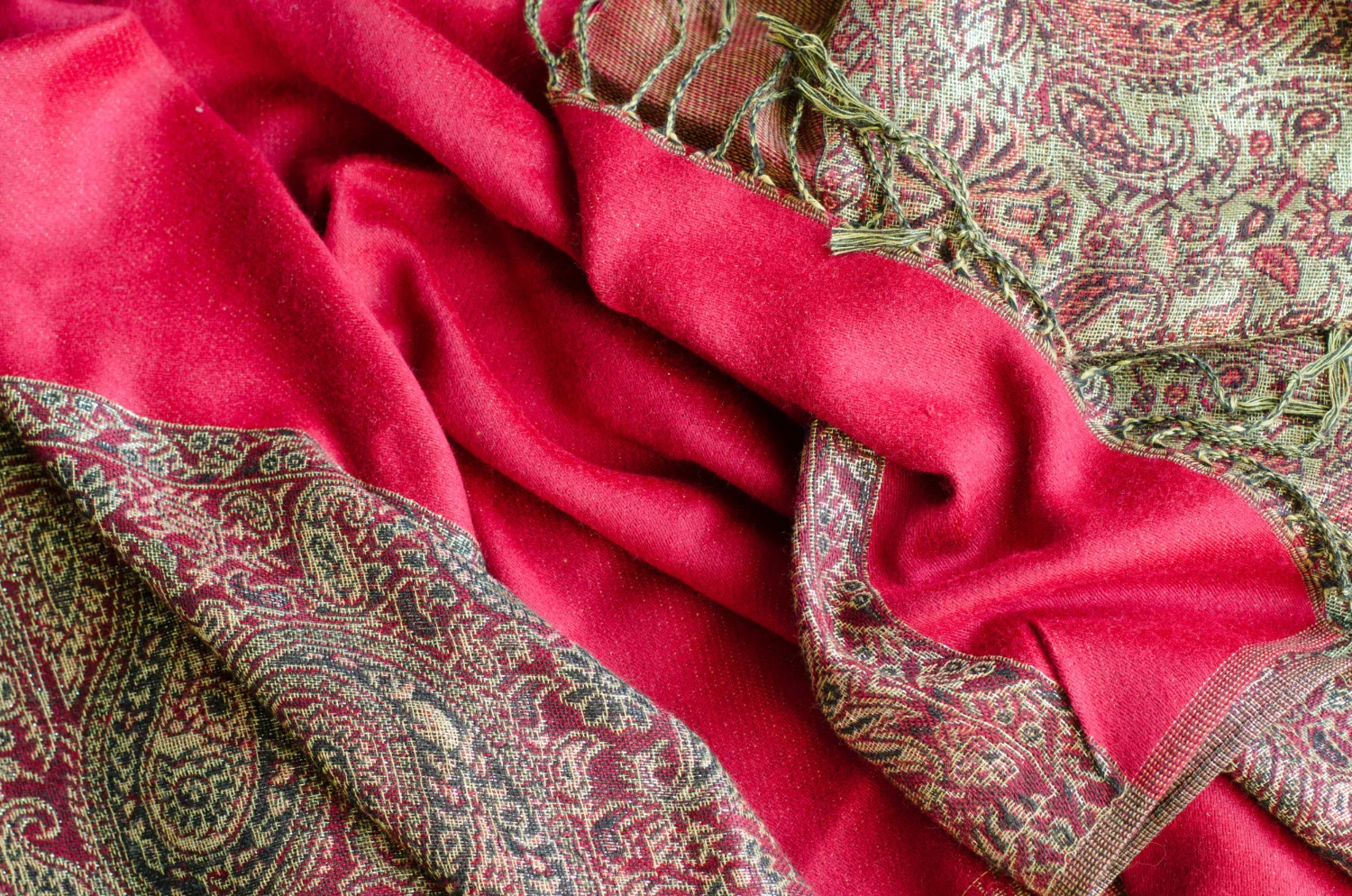
On the Changthang plateau, winters are long and bitterly cold. To survive them, Changthangi goats grow a dense, downy undercoat beneath their coarse outer hair. When the weather turns in spring, the goats begin to shed, and herders comb the down out by hand before it is lost to the wind.
The raw fibre travels west to the Kashmir valley. There, women clean and spin it on wooden wheels, and weavers turn the yarn into shawls on hand-looms. A plain pashmina may pass through a dozen pairs of hands; an embroidered or kani-woven one, many more.
The word “cashmere” comes from the old English spelling of Kashmir. Today it is used for goat down from many countries, often machine-spun. Kashmir Pashmina is the original: Himalayan fibre, worked by hand, protected by a Geographical Indication.
“A good yarn cannot be hurried. If I spin too fast, the thread breaks; too slow, it turns thick. The wheel teaches patience.”[Spinner name] · Srinagar
Kashmiri pashmina shawls become prized gifts in royal courts across the region.
Kashmir shawls reach Europe, and the valley's name becomes a word for fine goat wool.
Machine-spun blends and mislabelled “pashmina” flood markets and push hand-spinners out of work.
“Kashmir Pashmina” is registered as a GI, with lab testing and labels for genuine hand-made pieces.
Spinner collectives and direct buyers are bringing fair prices back to every stage of the chain.
Select a stage to explore it.
As the goats start to shed in spring, herders comb the soft undercoat out by hand with a fine comb. Nothing is sheared; the goat keeps its outer coat.
WhoChangpa herders
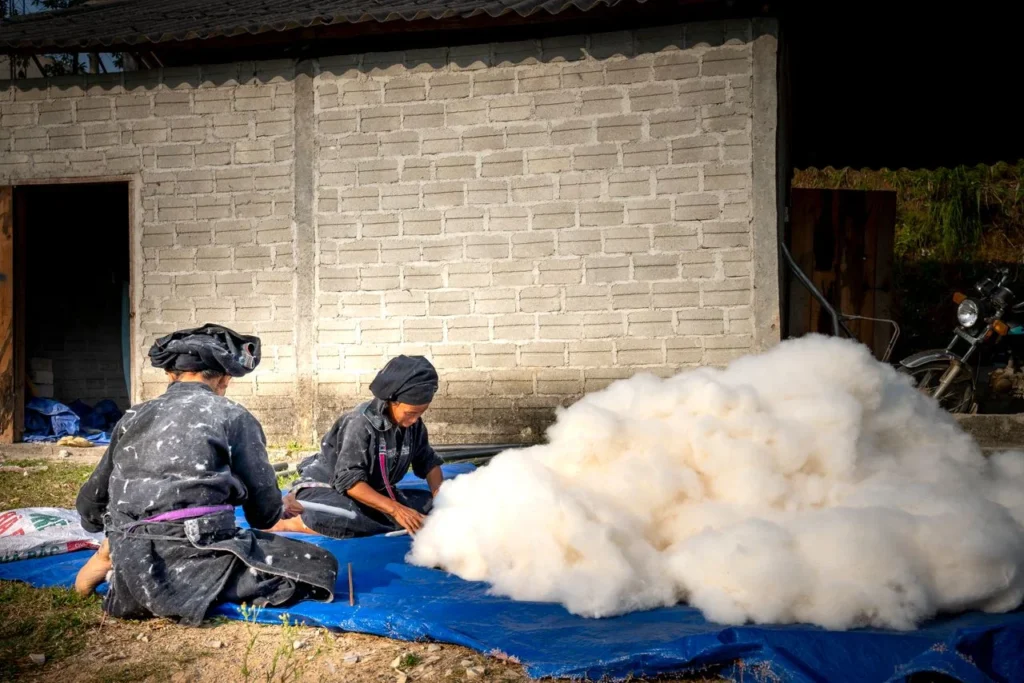
The raw fleece is sorted by colour and fineness, and coarse guard hairs are picked out by hand, strand by strand.
WhoWomen cleaners
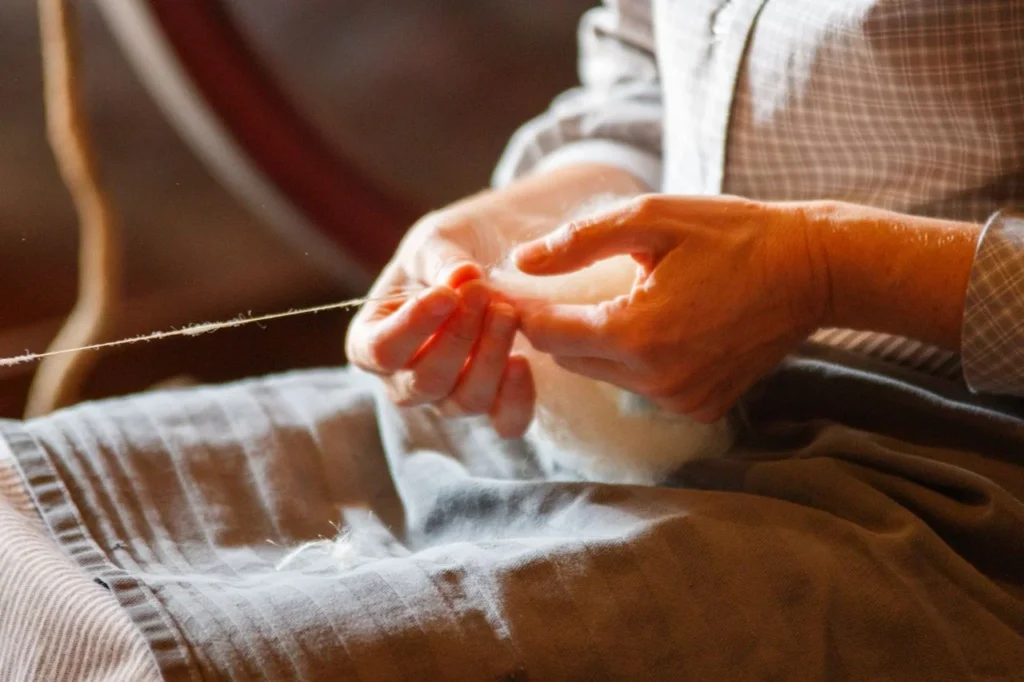
Cleaned fibre is spun on a wooden spinning wheel into a fine, even yarn. The spinner's skill decides how soft and strong the finished shawl will be.
WhoWomen spinners
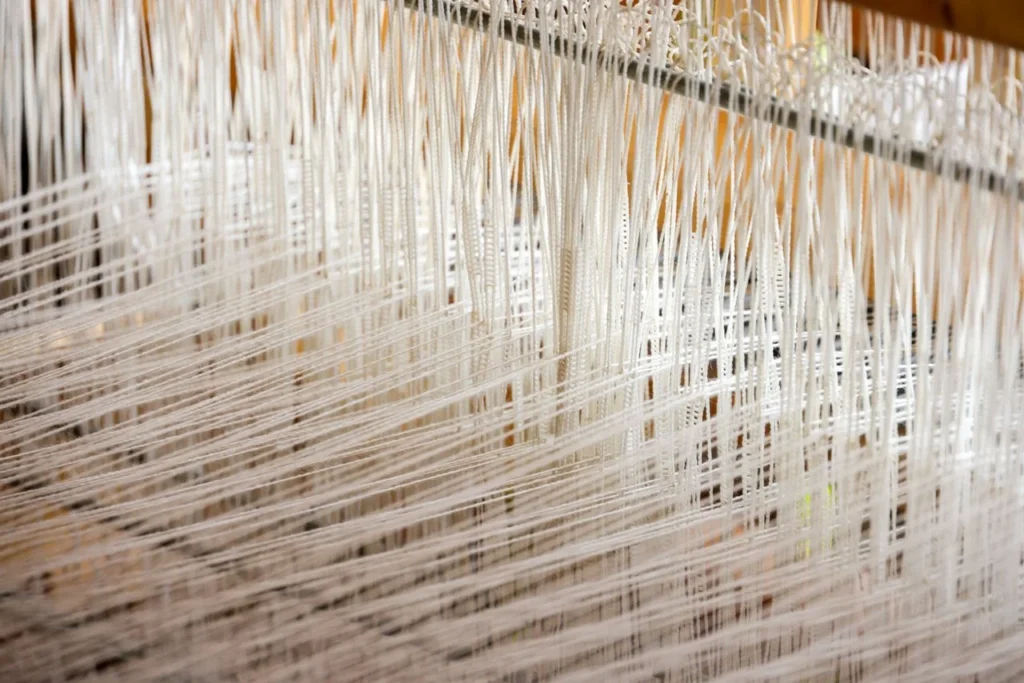
Hundreds of yarns are measured out, starched lightly and threaded through the loom, one by one, to form the warp.
WhoWarp makers
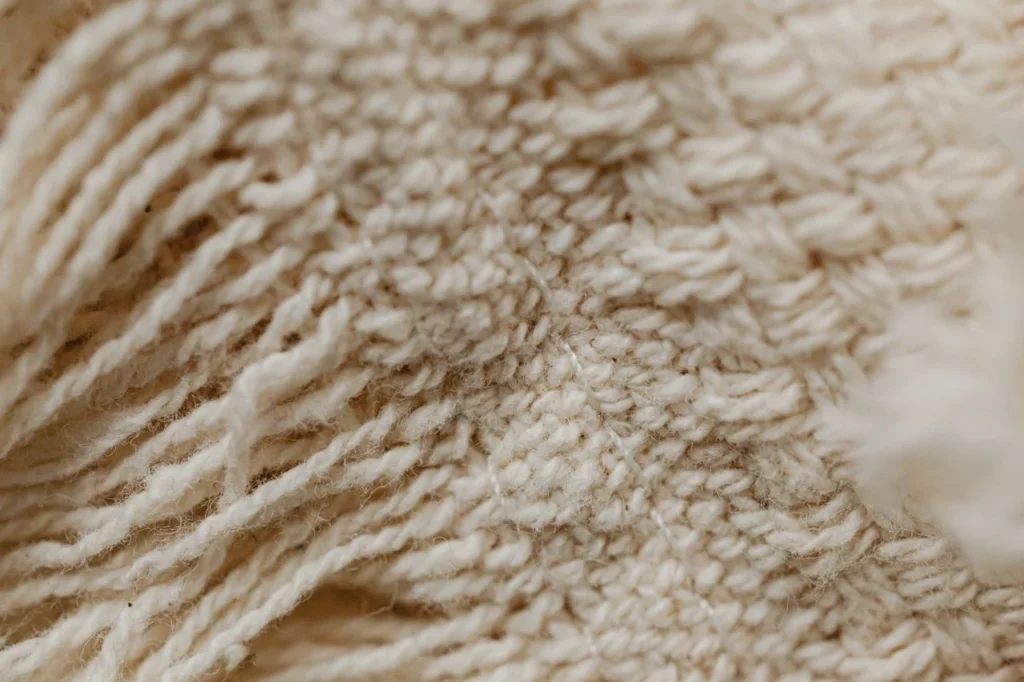
The weaver throws the shuttle by hand, row after row. Plain and chashm-e-bulbul weaves are made here; kani pieces take far longer.
WhoHand-loom weavers
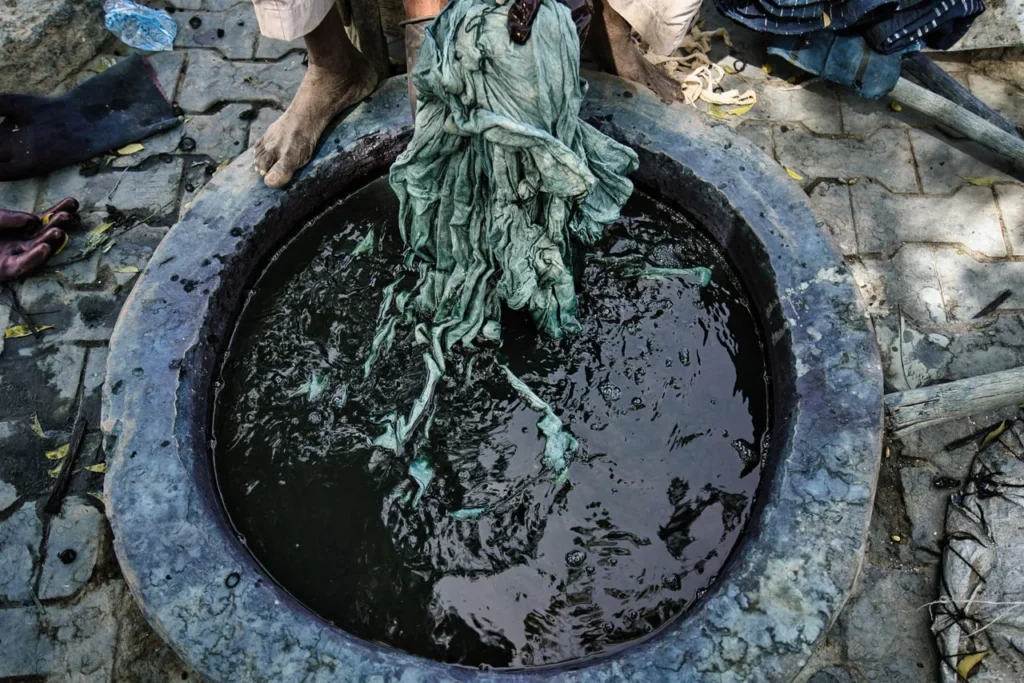
The cloth is washed in running water, dyed if needed, and finished at the edges. Sozni or tilla embroidery, if any, is added now.
WhoWashers, dyers, embroiderers